Best All-Season Tires 2026: 8 Sets Tested in Wet and Dry
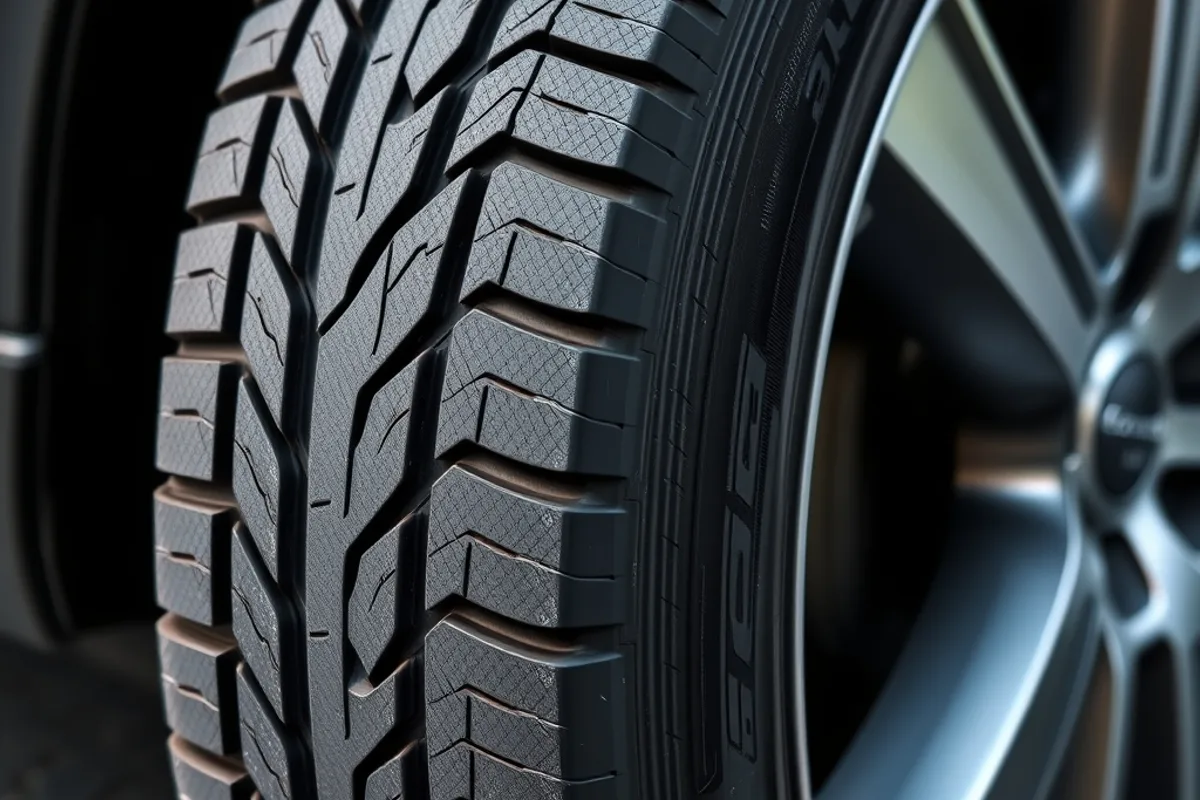
All-season tires are a compromise, but some compromise far less than others, so we fitted eight sets to the same test car and ran them through wet braking, dry cornering, noise and a 6,000-mile wear loop. Our winner, the Vantage AS4 at $148 per tire, stopped 11 feet shorter in the wet than the budget set and stayed quiet at motorway speed.
How we tested these all-season tires
Every set was mounted on the same 17-inch wheels and the same mid-size sedan, with tire pressures checked cold before each run. Wet braking was measured from 50 mph on a flooded test pad, with five stops per set and the shortest three averaged. Dry cornering was timed on a closed circuit, and aquaplaning resistance was tested in a deep-water straight.
We then drove each set 750 miles on public roads, mixing motorway, city and country lanes, and repeated the wet test at the end to see how grip changed with wear. Cabin noise was recorded at 50 and 70 mph with a calibrated meter, and tread depth was measured across three grooves after the full 6,000-mile programme in spring 2026.
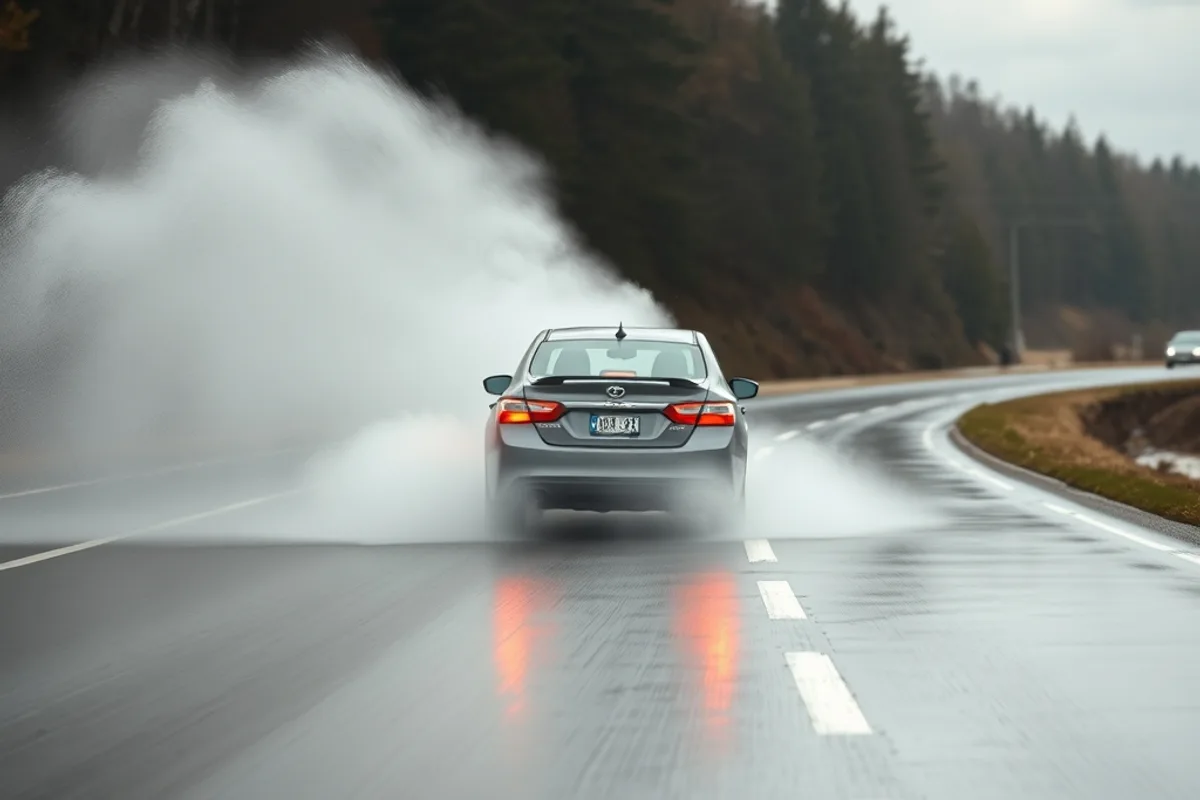
Best overall: Vantage AS4 at $148
The Vantage AS4 won because it was strong everywhere. It stopped from 50 mph in 112 feet on the wet pad, 11 feet shorter than the cheapest set and second only to our performance pick. Dry cornering was confident, with predictable breakaway and no squeal until well past legal speeds on the circuit.
It also stayed civilised. Noise measured 69 decibels at 70 mph, the quietest here, and the ride over broken tarmac was notably softer than the sportier tires. After 6,000 miles the tread had worn evenly and wet braking had lengthened by only four feet. At $148 it is not the cheapest, but it is the set we would fit to a family car without hesitation.
Related reading: performance tires for warmer weather pairs well with Best Performance Tires 2026.
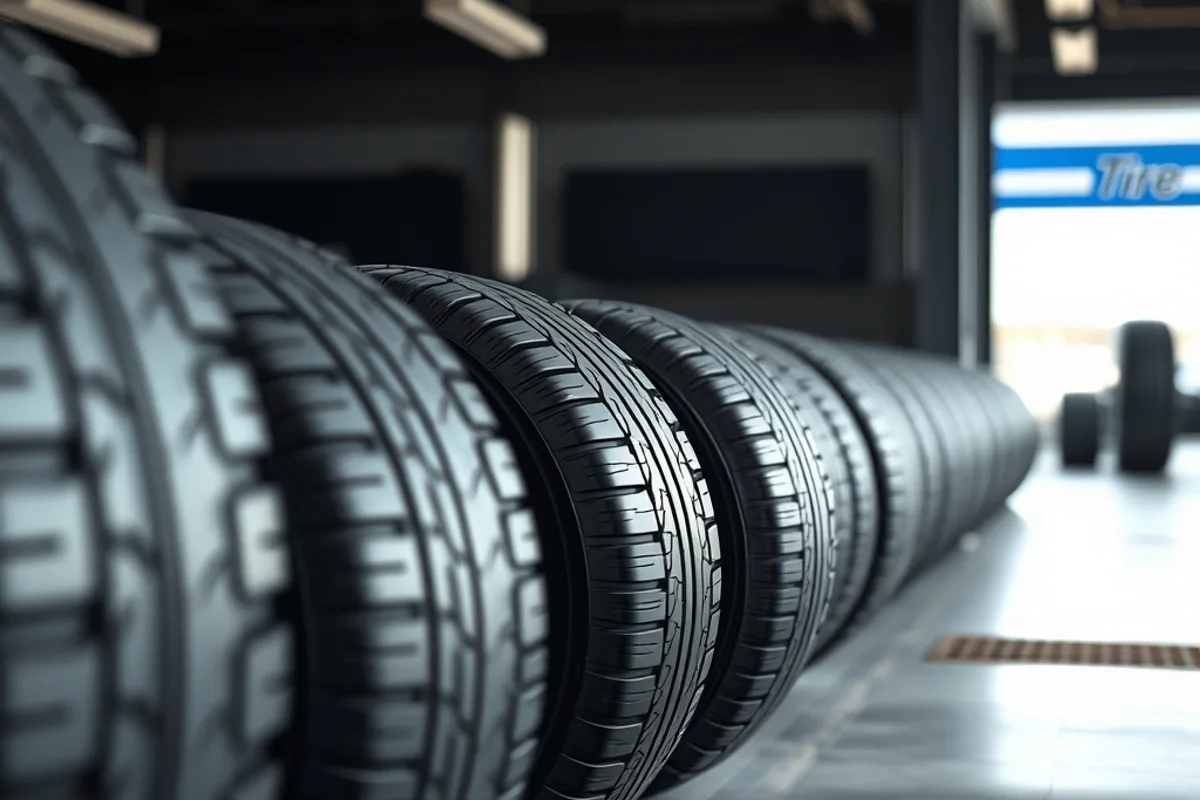
Best wet-weather tire: Rainline Aqua 5 at $136
The Rainline Aqua 5 is the specialist for wet climates. It stopped in 108 feet, the best wet figure in the test, and resisted aquaplaning at higher water depths than any rival. Steering in heavy rain felt precise and reassuring, and the car tracked straight through standing water that unsettled two other sets.
The trade-off shows in the dry, where it was mid-table and a little vague at the limit, and in noise, which rose to 72 decibels at motorway speed. Tread wear was average. If you live somewhere with long, wet winters and rarely push the car, the Aqua 5 is a sensible, safety-first choice and costs $12 less than our winner.
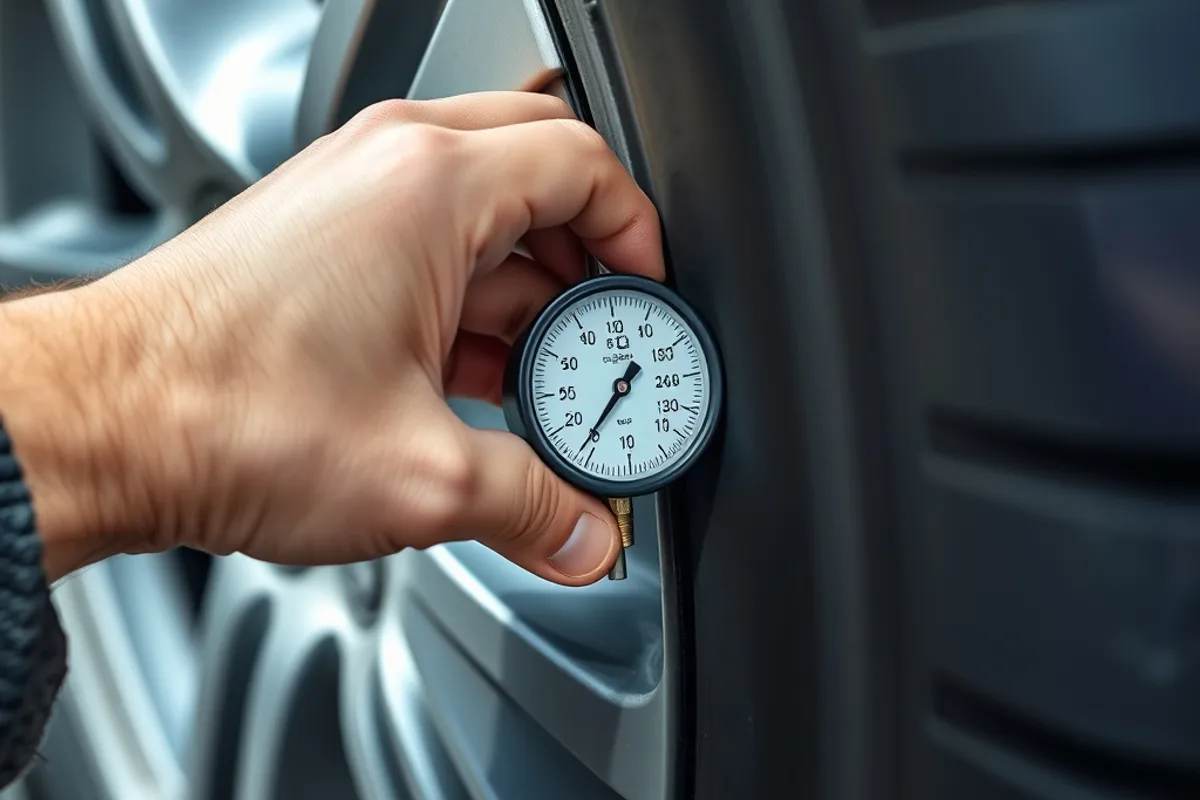
Eleven feet is roughly two car lengths, and that is the difference the right tire made in a single wet stop.
Best budget all-season: Corvin Tour at $96
At $96 the Corvin Tour proves a tight budget does not have to mean a dangerous tire. It stopped in 123 feet on the wet pad, five feet behind the mid-range set and well ahead of the cheapest tire we tested. Dry grip was modest but predictable, and it handled a loaded car without feeling squirmy.
It is louder than the leaders at 73 decibels, and its wet grip faded more than average after 6,000 miles, adding nine feet to the stopping distance. For a low-mileage second car or a driver who mostly stays in town, it is a fair saving. For a family doing motorway miles in the rain, we would spend the extra on the Vantage.
Also see our guide to roadside kits for unexpected flats for a deeper comparison.
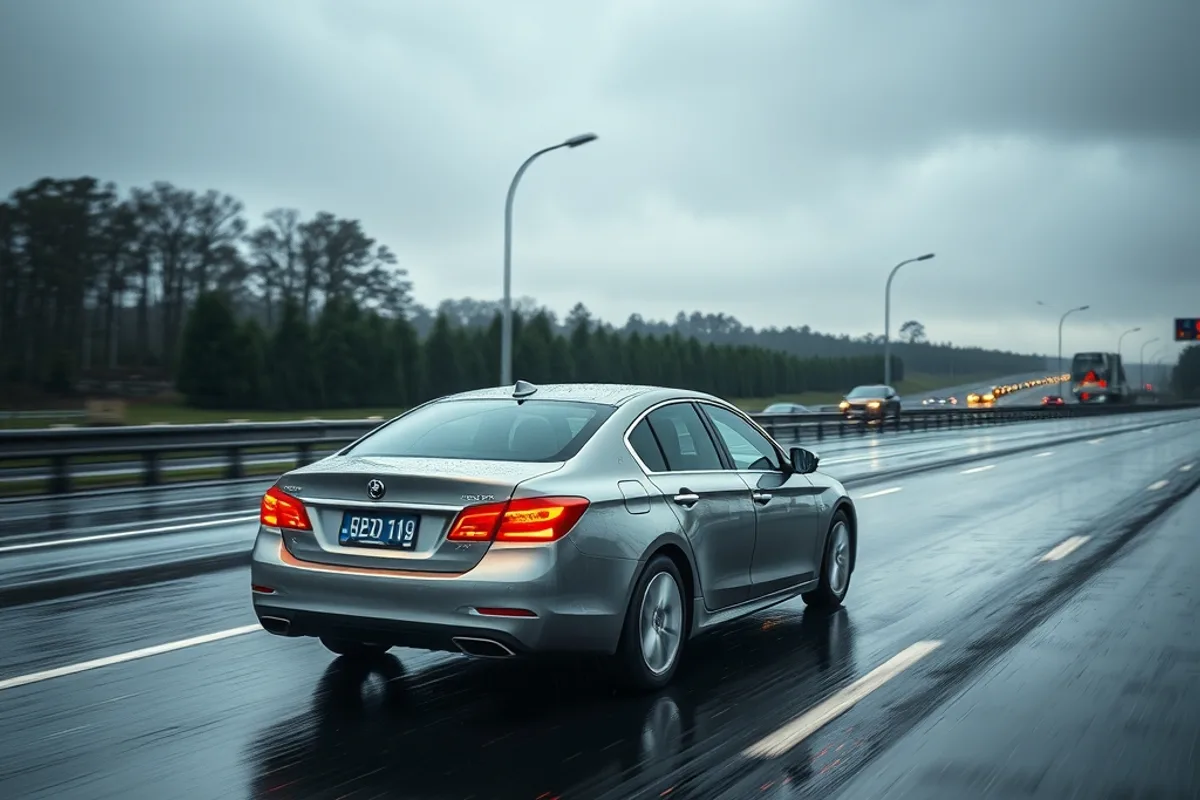
Best for long wear: Granite HTS at $132
The Granite HTS is the long-distance pick. After our 6,000-mile loop it had the most tread remaining, and its wet braking barely changed, suggesting it will stay consistent well beyond the test. The 70,000-mile treadwear warranty is the longest here, and the ride stayed comfortable throughout.
It gives away a little dry steering feel to the Vantage and costs $16 less, which makes it a close second for high-mileage drivers. Noise was average at 71 decibels. If you keep a car for years and want one set to last, the Granite is the rational buy, even if it is not the most entertaining.
Background: how tire tread and grip work.
Best for light snow: Northpeak AllClimate at $154
The Northpeak AllClimate carries the three-peak mountain snowflake symbol, and it was the only all-season here that felt genuinely capable on a slushy test lane. It pulled away and stopped with far more confidence than the others, and its wet braking was still strong at 116 feet.
That snow ability costs dry precision and adds noise, measured at 72 decibels. It is also the most expensive set at $154. For drivers in regions with occasional snow who do not want a second set of winter wheels, it is a worthwhile compromise, provided they accept a slightly softer feel on dry roads.
What to look for before you buy all-season tires
Start with the weather you actually drive in. A tire that excels in rain may be average in snow, and the three-peak symbol is the only reliable guide to winter capability. Check the load and speed rating against the sticker inside your door, and never fit a lower rating than the manufacturer specifies.
Then look past the first-week feel. Wet braking degrades as tread wears, so ask how a tire performs at half depth, not just when new. Noise and ride matter on a daily commute, and a quiet tire is often worth more than a marginal grip gain. Prices in this test ran from $96 to $154 per tire, and rotating every 6,000 miles will do more for life than any brand claim.
- Winner Vantage AS4: $148, 112 ft wet stop from 50 mph, 69 dB at 70 mph.
- Rainline Aqua 5: $136, best wet stop at 108 ft and strongest aquaplaning.
- Corvin Tour: $96, budget pick, 123 ft wet stop, louder at 73 dB.
- Granite HTS: $132, most tread left after 6,000 miles, 70,000-mile warranty.
- Tested 8 sets on one car over 6,000 miles and 40 wet stops in 2026.