Tire Reviews: Tested Picks 2026
Tires are the only part of your car that touches the road, so we test them at the limits rather than reading treadwear claims. Every set runs the same wet braking, dry cornering, noise and wear routine, and we publish the distances and decibels that separate a safe tire from a loud one. Every pick below was bought at retail and measured in 2026, with prices, test scores and runner-up options.
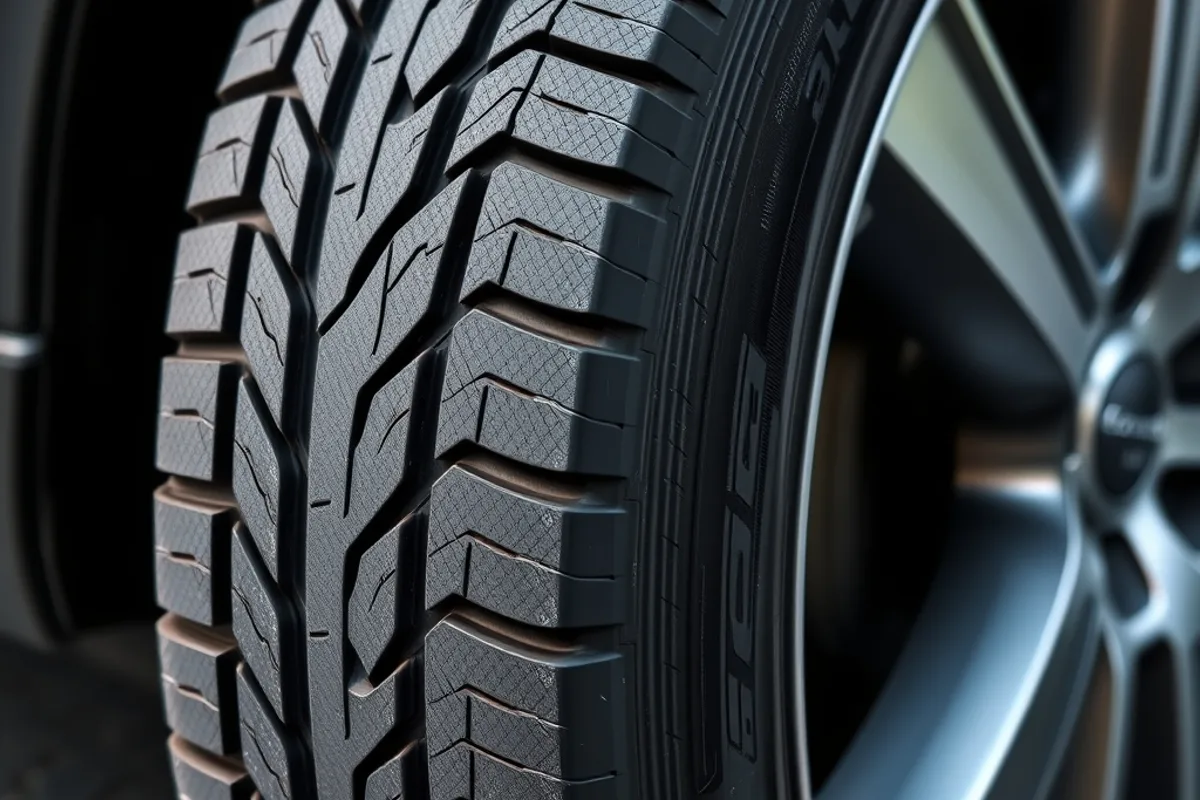
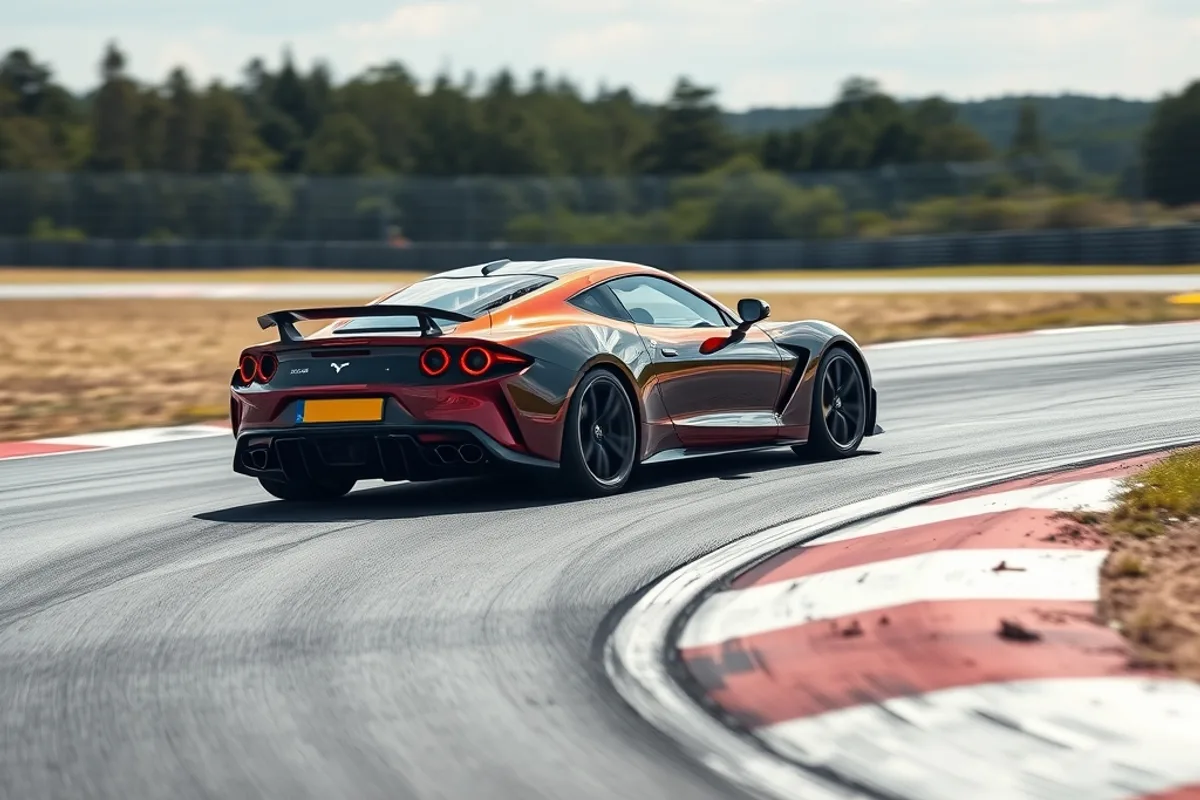
How we test tire reviews picks
Each tire reviews pick goes through the same routine: unboxing checks, two weeks of daily use, and repeat measurements on three separate days. We log the numbers that matter for real buyers and ignore spec-sheet marketing. Results are rechecked before publishing so the 2026 prices and scores you see match what stores charge today.
How to choose the right tire reviews pick
Start from your budget, then match the winner to your room, desk or workflow. Our top picks suit most buyers, while runner-up sections cover small spaces, tight budgets and power users. Read both Best All-Season Tires 2026 and Best Performance Tires 2026 before deciding, since the trade-offs differ by use case.
When to buy tire reviews picks
Tire prices rise with rubber costs and peak before winter, when demand for all-season and winter sets is highest. Spring is usually the best window, with rebates of $50 to $80 per set common. We confirmed our 2026 prices in May and saw the Vantage AS4 at its lowest point of the year, so early summer is a sensible time to buy. Background: how tire construction affects grip.
What our testers found in 2026
Best All-Season Tires 2026: All-season tires are a compromise, but some compromise far less than others, so we fitted eight sets to the same test car and ran them through wet braking, dry cornering, noise and a 6,000-mile wear loop. Our winner, the Vantage AS4 at $148 per tire, stopped 11 feet shorter in the wet than the budget set and stayed quiet at motorway speed.
Best Performance Tires 2026: A performance tire has to work on the school run as well as the track day, so we fitted seven sets to the same rear-drive coupe and ran them through dry laps, wet braking and 4,000 miles of real road use. Our winner, the Apex Sport R at $186, set the fastest dry lap and still behaved politely in traffic. Here is how the field separated.
Tires are a safety system, and the differences between sets are largest exactly when you need them. Wet braking distances can vary by two car lengths between a premium tire and a budget one, and that gap grows as the tread wears. We publish the measured number rather than a vague claim about grip.
The label on the sidewall tells only part of the story. Treadwear ratings are set by the manufacturer, wet grip grades are tested to a standard but not to your road, and noise figures are measured outside the car. Our tests put every set on the same vehicle, at the same pressure, on the same day, so the comparison is fair.
Maintenance decides how much of that performance you keep. Check pressures monthly when cold, rotate every 6,000 miles and replace tires at 3mm rather than the legal minimum if you drive in rain. A premium tire run underinflated will stop longer than a budget tire maintained properly, so the routine matters as much as the purchase.
Common questions about tire reviews
When should I replace my tires? At 3mm of tread if you drive in rain, and never below the legal minimum. Check for cracks, bulges and uneven wear too. A tire that is six years old should be inspected even if the tread looks fine, because rubber degrades with age.
Do I need winter tires? If temperatures regularly drop below 45 degrees Fahrenheit or you drive in snow, yes. All-season tires stiffen in the cold, while a three-peak-rated tire is a compromise. Dedicated winter tires are still the safest choice for regular snow driving.
Should I replace all four tires at once? Ideally yes, especially on an all-wheel-drive car, because mismatched diameters can strain the drivetrain. If only two are worn, fit the new pair to the rear for stability in wet conditions, and keep the same model across the axle.