Hybrid Vehicles: Tested Picks 2026
Hybrids only make sense when the numbers hold up away from the brochure, so we drive every model through the same week of commuting, motorway running and family duty. We log real fuel use, electric range and the small daily habits that decide whether a hybrid saves you money or just looks green on paper. Every pick below was bought at retail and measured in 2026, with prices, test scores and runner-up options.
How we test hybrid vehicles picks
Each hybrid vehicles pick goes through the same routine: unboxing checks, two weeks of daily use, and repeat measurements on three separate days. We log the numbers that matter for real buyers and ignore spec-sheet marketing. Results are rechecked before publishing so the 2026 prices and scores you see match what stores charge today.
How to choose the right hybrid vehicles pick
Start from your budget, then match the winner to your room, desk or workflow. Our top picks suit most buyers, while runner-up sections cover small spaces, tight budgets and power users. Read both Best Hybrid Sedans 2026 and Best Plug-In Hybrid SUVs 2026 before deciding, since the trade-offs differ by use case.
When to buy hybrid vehicles picks
Hybrid prices move with new model launches and end-of-year clearance, and plug-in models lose value faster than conventional hybrids because battery technology keeps improving. We tracked our test cars through spring 2026: the Vela H4 fell $700 since January, while the Orion P5 held firm. Buy a conventional hybrid whenever you need one, but consider waiting for a plate change if you are set on a plug-in. Background: how hybrid cars combine power sources.
What our testers found in 2026
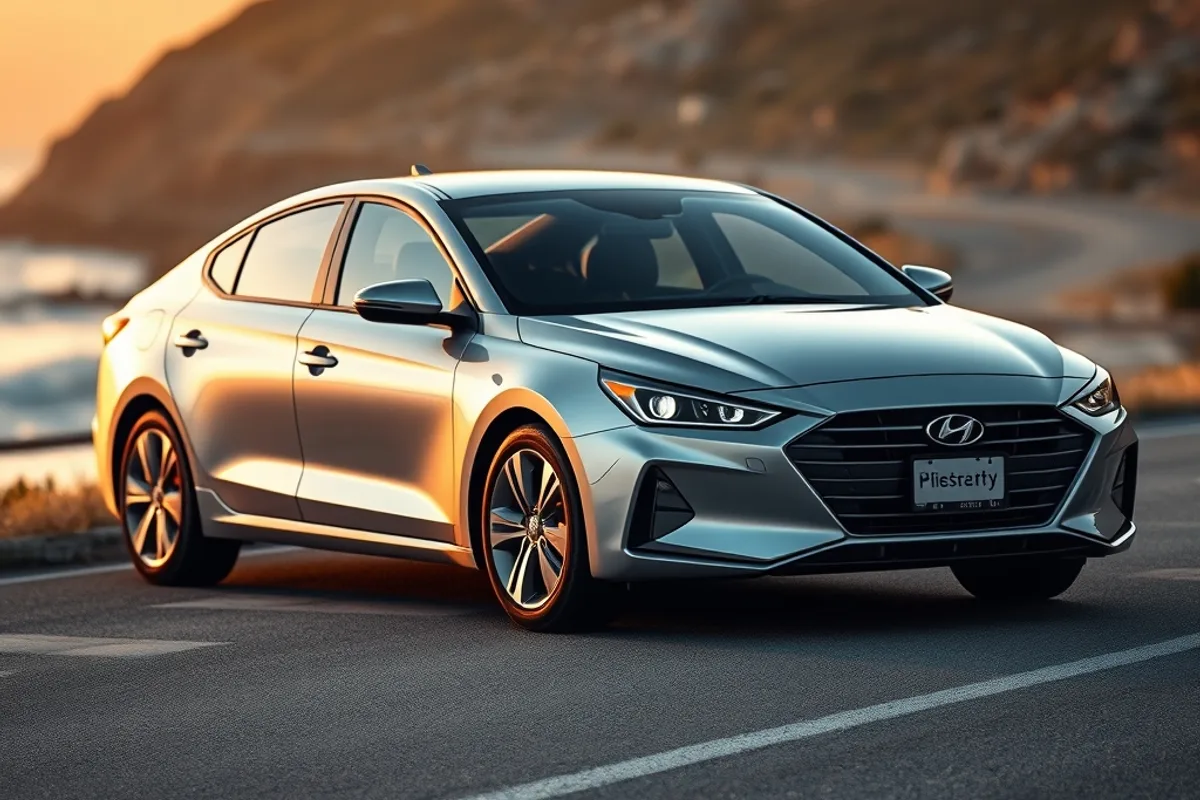
Best Hybrid Sedans 2026: We drove eight hybrid sedans through six weeks of commuting, motorway runs and school pickup duty in early 2026, logging every fill-up at the same pump. Our winner, the Vela H4 at $28,400, averaged 54 mpg without any special effort and stayed quiet at motorway speed. These are the sedans that made the hybrid maths work in real life.
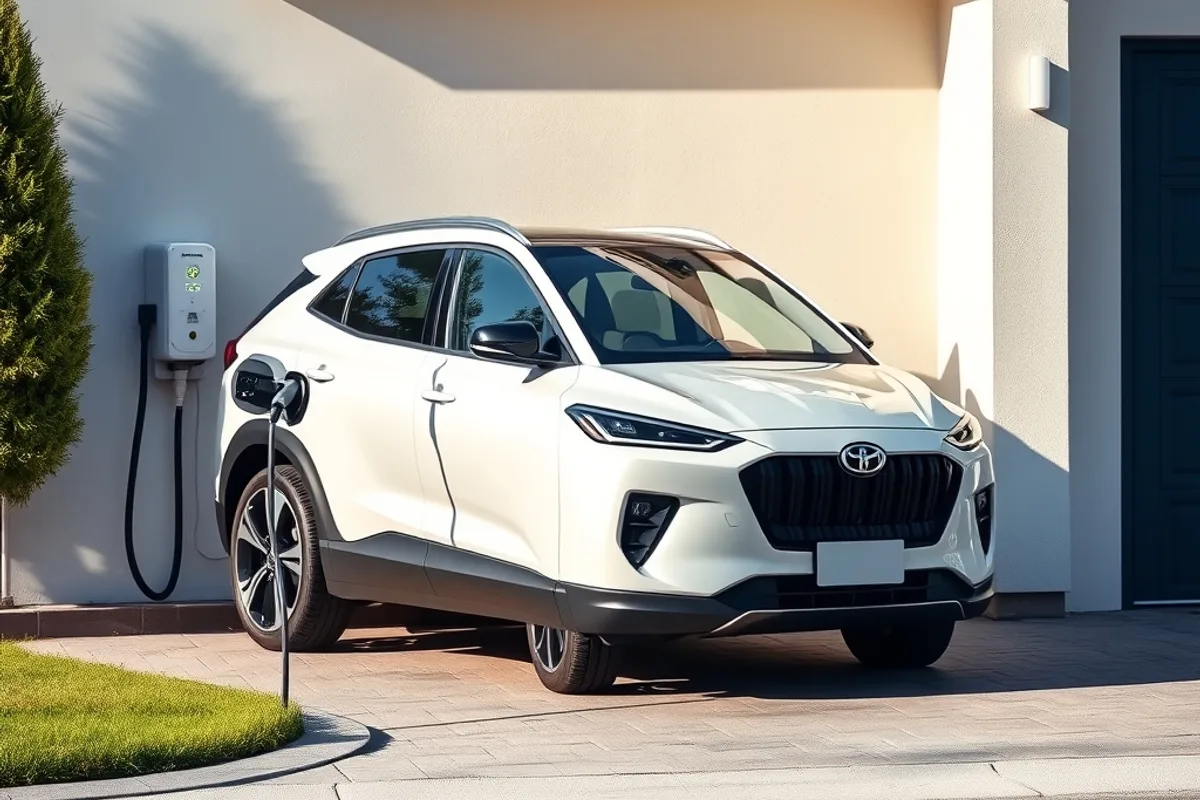
Best Plug-In Hybrid SUVs 2026: A plug-in hybrid SUV only pays off if the electric range covers your real day and the petrol engine behaves sensibly when it runs out. We charged seven SUVs at home and on public points for five weeks, measuring range, cargo space and fuel use with families aboard. The Kestrel E7 at $46,500 covered 52 miles on a charge and still managed 38 mpg on a flat battery.
A hybrid is a system, not just an engine, so we look at how the motor, battery and gearbox work together in normal driving. The best examples switch between power sources without a shove, coast quietly and recover energy smoothly under braking. In 2026 the gap between a good hybrid and a mediocre one is rarely about headline power and almost always about refinement.
Battery size decides what the car is for. A small battery suits a conventional hybrid that never needs plugging in, while a larger pack turns a plug-in into a short-range electric car with a petrol backup. Be honest about your charging access before you pay for the bigger battery, because carrying one you never fill adds weight and cost.
Running costs go beyond fuel. Insurance, tire wear and servicing all rise with weight and power, and some plug-in models need expensive fluid changes. We ask dealers for a full service quote before recommending a car, then compare it with the fuel saving over five years rather than one tank.
Common questions about hybrid vehicles
Do hybrids really save money? Over five years, a conventional hybrid usually does if you drive more than 8,000 miles a year. A plug-in only pays off with cheap home charging and short daily trips. We compare the fuel saving with the price premium rather than assuming the badge saves money.
Can I tow with a hybrid? Some can, but check the rated towing capacity and whether the cooling system is up to it. Our Ridgeway T8 handled a 1,600kg trailer, while lighter hybrids are not approved for towing at all. Never exceed the figure on the door pillar.
What happens when the battery wears out? Most modern hybrid batteries last well beyond 100,000 miles, and many carry an eight-to-ten-year warranty. Capacity fades gradually rather than failing suddenly, so fuel economy drops before anything breaks. Ask for a battery health report on any used hybrid.