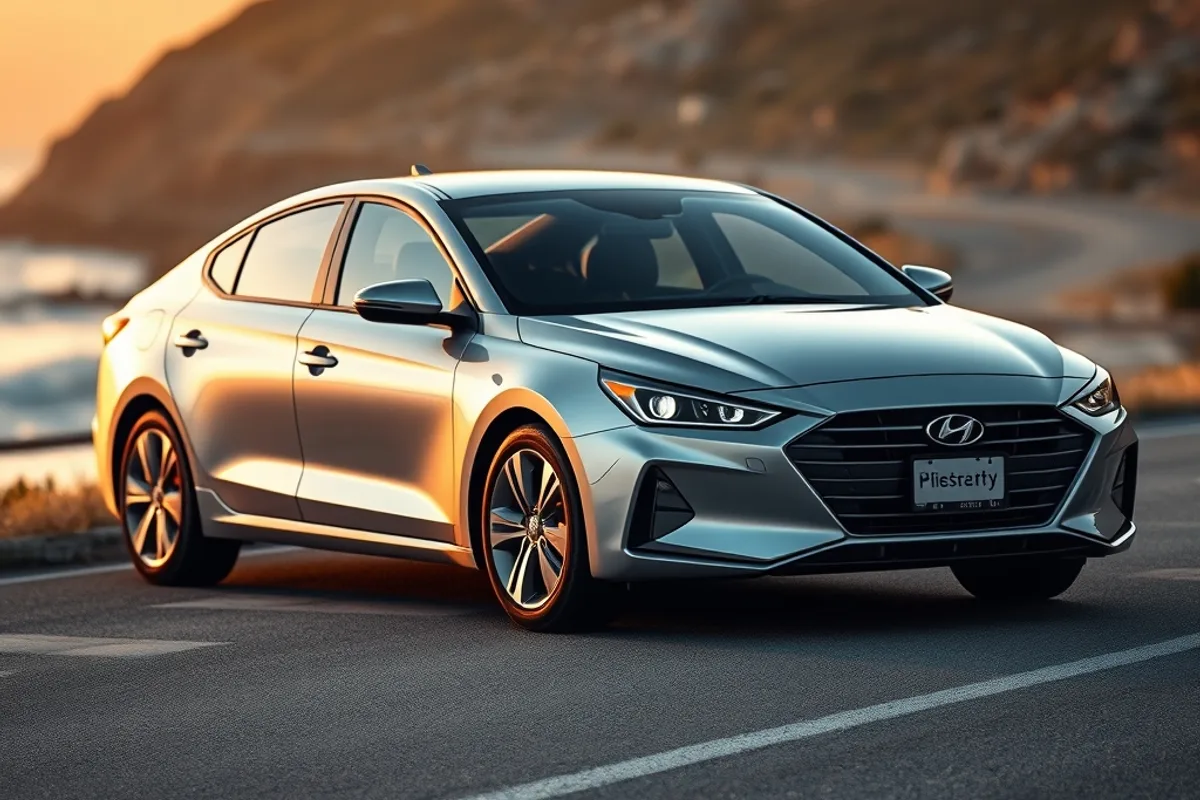
Best Plug-In Hybrid SUVs 2026: 7 Tested for Range and Space
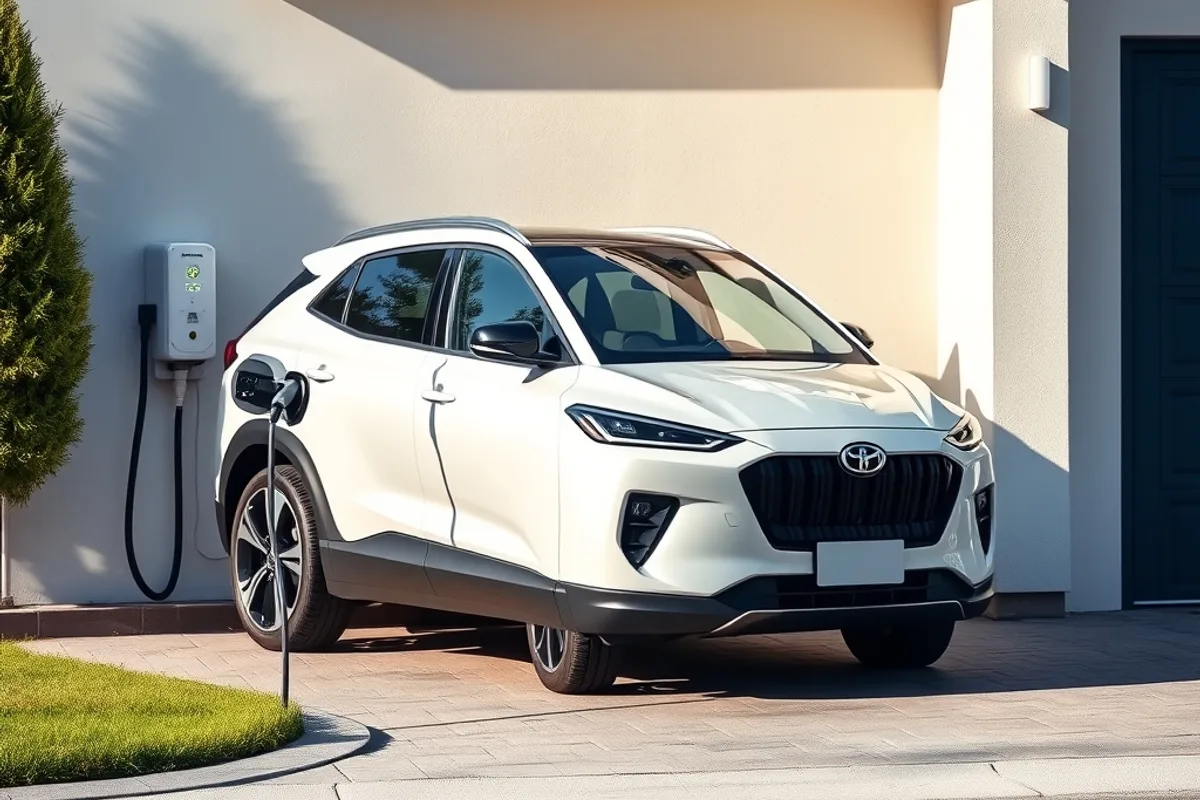
A plug-in hybrid SUV only pays off if the electric range covers your real day and the petrol engine behaves sensibly when it runs out. We charged seven SUVs at home and on public points for five weeks, measuring range, cargo space and fuel use with families aboard. The Kestrel E7 at $46,500 covered 52 miles on a charge and still managed 38 mpg on a flat battery.
How we tested these plug-in hybrid SUVs
Each SUV started every morning with a full battery and ran our standard 46-mile suburban day: nursery drop-off, a supermarket stop, a school pick-up and a mix of 30 and 50 mph roads. We repeated the loop until the engine started, logging the exact electric miles and the outside temperature so the results could be compared fairly.
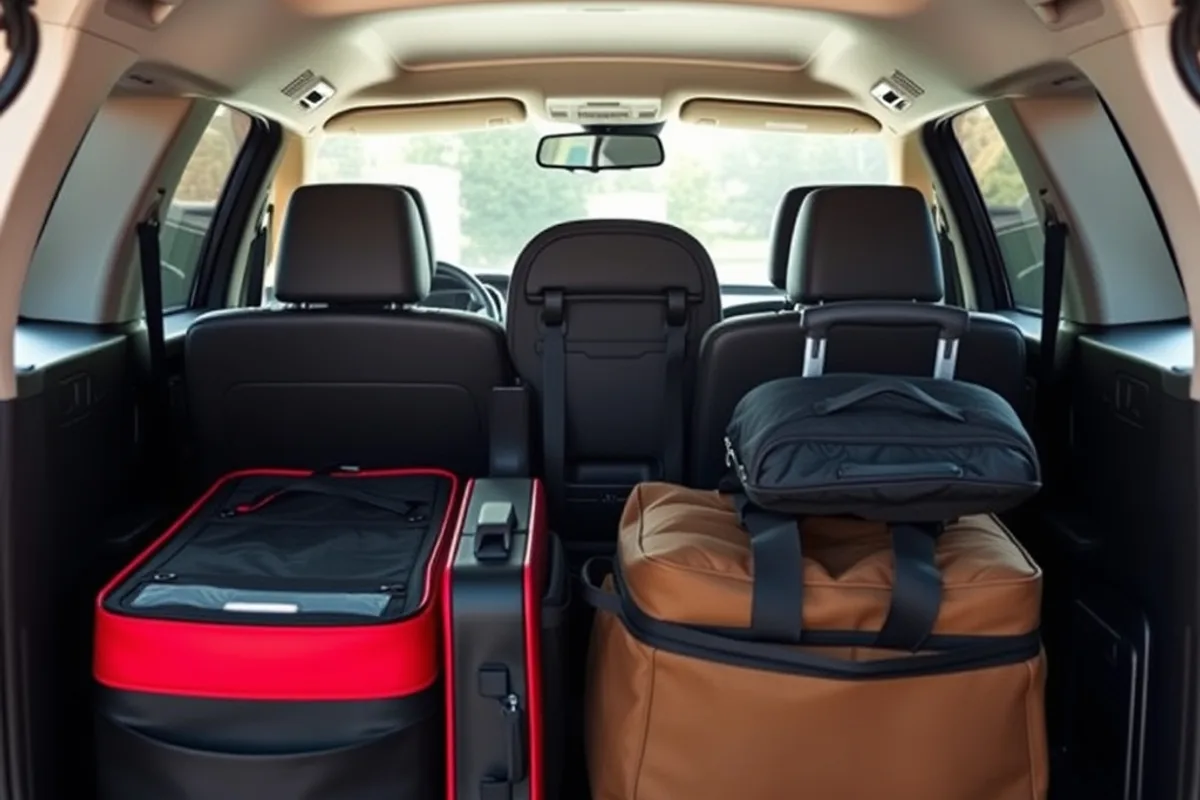
We then drove 200 miles with an empty battery to measure real petrol economy, and loaded the boot with two large suitcases, a stroller and a cooler bag to check family practicality. Charging speed was timed on a 7kW home box and a 50kW public charger, and the cabin was scored after a four-hour drive.
Best overall: Kestrel E7 at $46,500
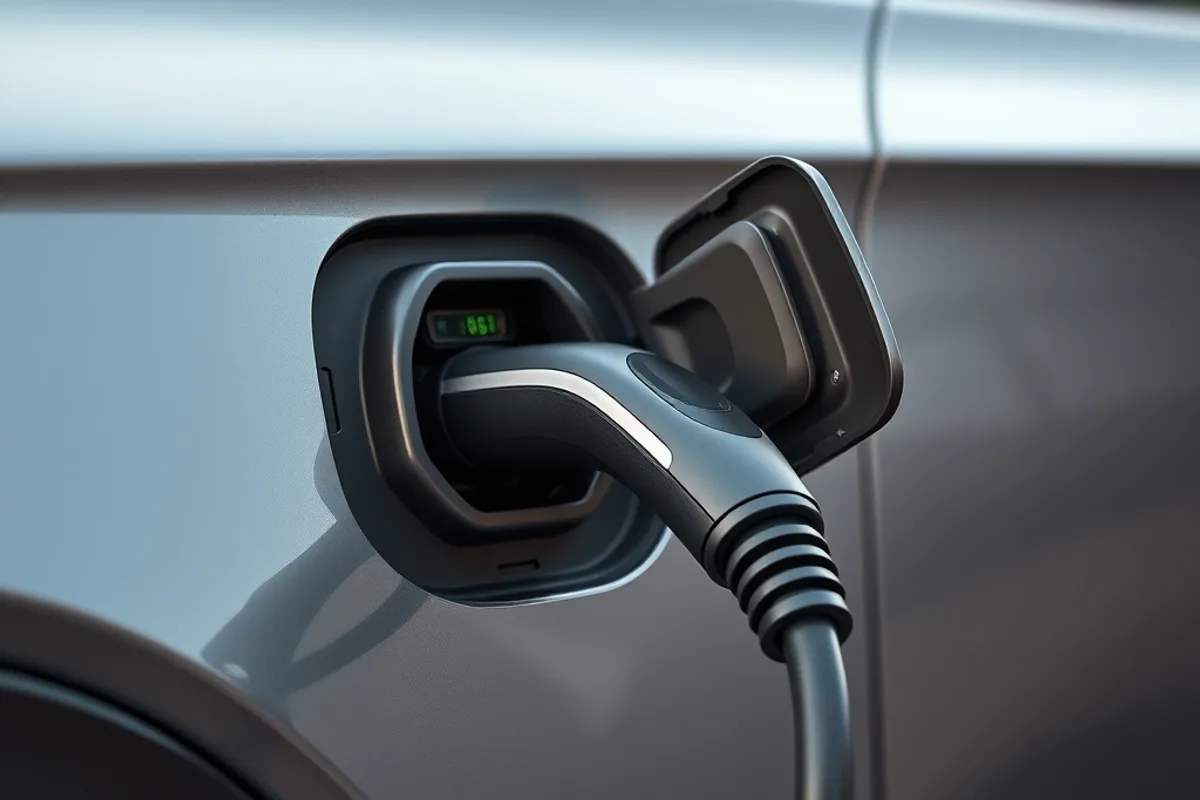
The Kestrel E7 is the plug-in SUV that needed the least compromise. It covered 52 miles on electric power in mild weather, enough for our whole test day with charge to spare, and returned 38 mpg once the battery was flat. The switch between electric and petrol was so smooth that our passengers rarely noticed it.
Cargo space measured 510 litres with the seats up, and the rear bench fits two child seats plus a slim adult. The ride is comfortable without floating, and the 11kW onboard charger added 30 miles in a little over an hour on a public point. It is expensive, but it is the only car here we would happily own without a second vehicle.
Related reading: hybrid sedans for shorter commutes pairs well with Best Hybrid Sedans 2026.
Best electric range: Solace R9 at $52,800
The Solace R9 wins the range contest with 61 electric miles, which covered our loop and a evening errand without waking the engine. On longer runs with a flat battery it managed 35 mpg, a little behind the Kestrel but still reasonable for a 2.2-tonne SUV.
The cabin is the nicest in this group, with soft materials, a clear head-up display and seats that stayed comfortable over four hours. You pay for it: the R9 is $6,300 more than our winner, and its 7kW charger means slower top-ups at home. For drivers with a short commute and a generous budget, the electric range is genuinely useful.
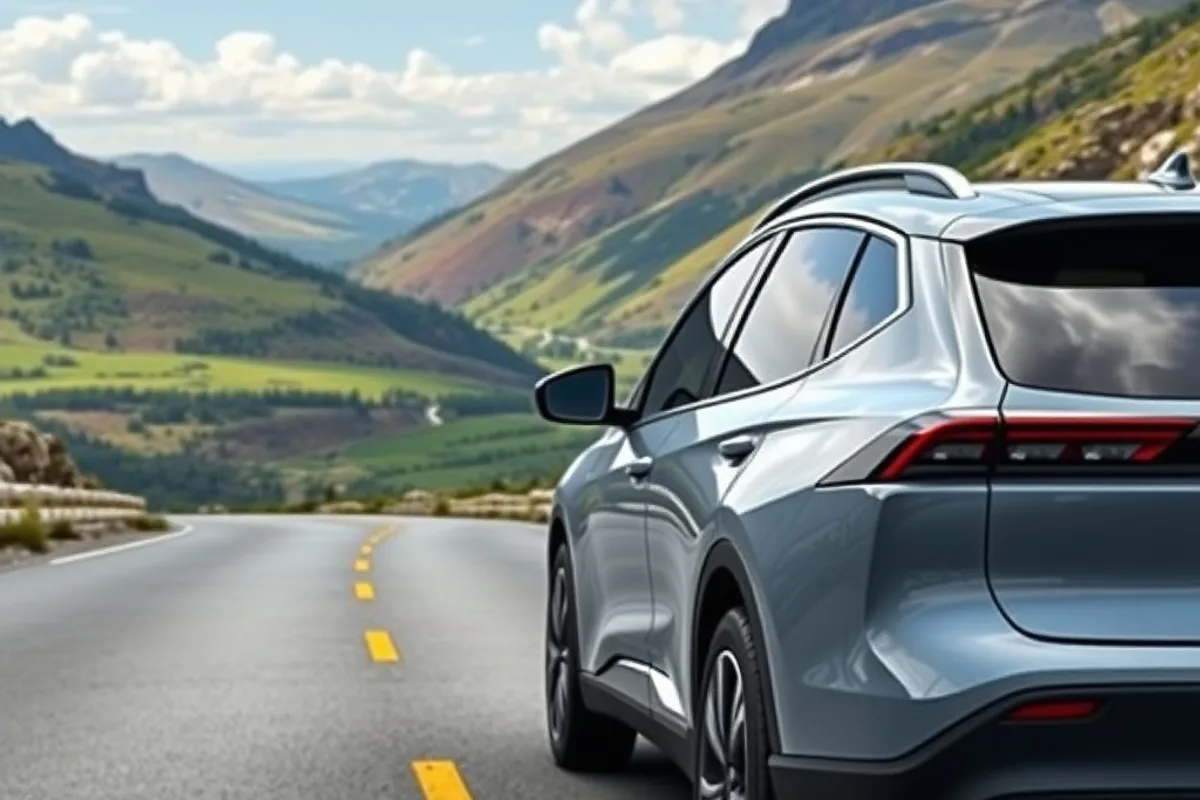
The Kestrel E7 did the school run, the shop and the evening trip without burning a drop of petrol, and that is the whole point of a plug-in.
Best value plug-in: Harrow S3 at $41,900
At $41,900 the Harrow S3 makes plug-in hybrid ownership feel affordable. It delivered 44 electric miles, enough for most commutes, and 36 mpg on a flat battery. The boot is a useful 480 litres and the rear doors open wide for child seats.
It is not as refined as the leaders. The engine is audible when it joins in, the infotainment takes a moment to wake, and the seats are firmer than we would like on a long trip. But it undercuts the Kestrel by $4,600 and covers the essentials, which makes it the smart choice for a family watching the monthly payment.
Also see our guide to dash cams for family cars for a deeper comparison.

Best for towing: Ridgeway T8 at $49,700
The Ridgeway T8 is the only SUV here that felt genuinely settled with a 1,600kg trailer behind it. Its combined output and cooling system handled our hill route without temperature warnings, and the electric motor added useful low-speed control in a wet car park.
Electric range dropped to 39 miles when towing, which is expected, and solo it managed 46 miles. Fuel use with an empty battery and a trailer averaged 24 mpg. If you tow a caravan or a boat, the T8 is the pick; if you do not, a lighter rival will cost less to run and park.
Background: how plug-in hybrid vehicles differ.
Best small plug-in SUV: Wren C4 at $38,600
The Wren C4 is the compact option, and it fits city life better than the larger cars here. At 4.3 metres long it slipped into tight spaces, yet the boot held a weekly shop and the rear seat accommodated two adults. Electric range was 41 miles and flat-battery economy 40 mpg, the best petrol figure in the test.
The trade-off is space. A third adult in the back is a squeeze, and a large stroller has to go in diagonally. For a couple with one child or a driver who mostly carries passengers short distances, the C4 is the most sensible and cheapest way into a plug-in SUV.
What to look for before you buy a plug-in SUV
Measure your daily drive before you choose a range figure. A car with 40 electric miles covers most commutes, but only if you can charge at home overnight. Without a home charger, a plug-in SUV can be thirstier than a conventional hybrid because you are carrying a heavy battery you rarely fill.
Then check the things a family actually uses: boot volume with the seats up, the width of the rear bench, and whether the charging cable stores without stealing luggage space. Ask about the onboard charger rating too, since 11kW cuts public charging time dramatically. Prices here run from $38,600 to $52,800, and a weekend loan is worth more than any spec sheet.
- Winner Kestrel E7: $46,500, 52 electric miles, 38 mpg on a flat battery.
- Solace R9: $52,800, 61 electric miles, the longest range tested.
- Harrow S3: $41,900, 44 electric miles, best value in the group.
- Ridgeway T8: $49,700, 39 electric miles while towing 1,600kg.
- Tested 7 SUVs for 35 days across home and public charging in 2026.