Best Dash Cams 2026: 8 Tested for Night Clarity and GPS
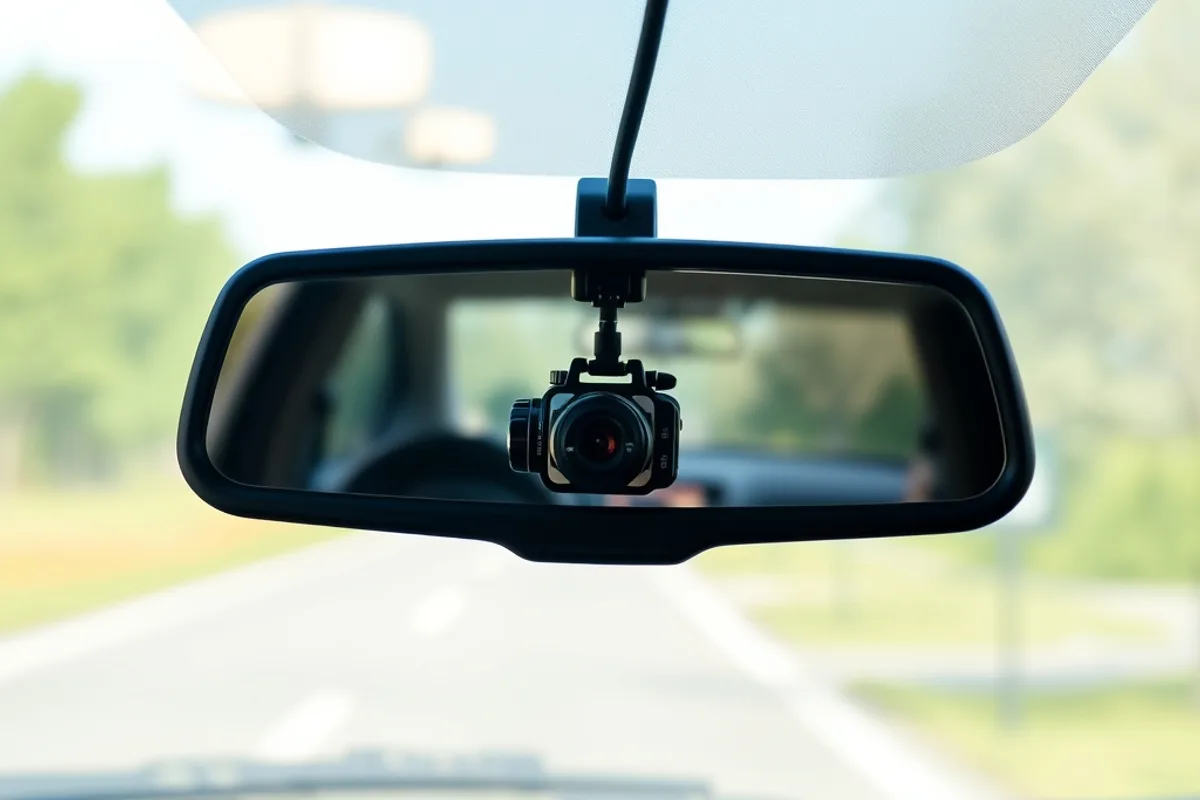
A dash cam is only useful if it captures the detail that settles a dispute, so we mounted eight cameras in the same car and reviewed footage from day, night and parking mode for six weeks. Our winner, the Vigil D7 at $169, read number plates in the dark and never missed a clip. These are the cameras we would trust after a collision.
How we tested these dash cams
Every camera recorded the same routes at 1080p or 4K where available: a bright motorway run, a shadowed tree-lined street and a night loop with unlit parked cars. We then reviewed the files at 100 percent and scored plate readability at 10, 20 and 30 metres, plus how quickly exposure recovered when entering and leaving a tunnel.
Reliability was tested over six weeks of daily driving in spring 2026. We checked for dropped clips, corrupted files, overheating in a sun-parked car and how each unit handled a sudden power cut. Parking mode was assessed over two nights, and the mounting hardware was removed and refitted ten times to see how it held up.
Best overall: Vigil D7 at $169
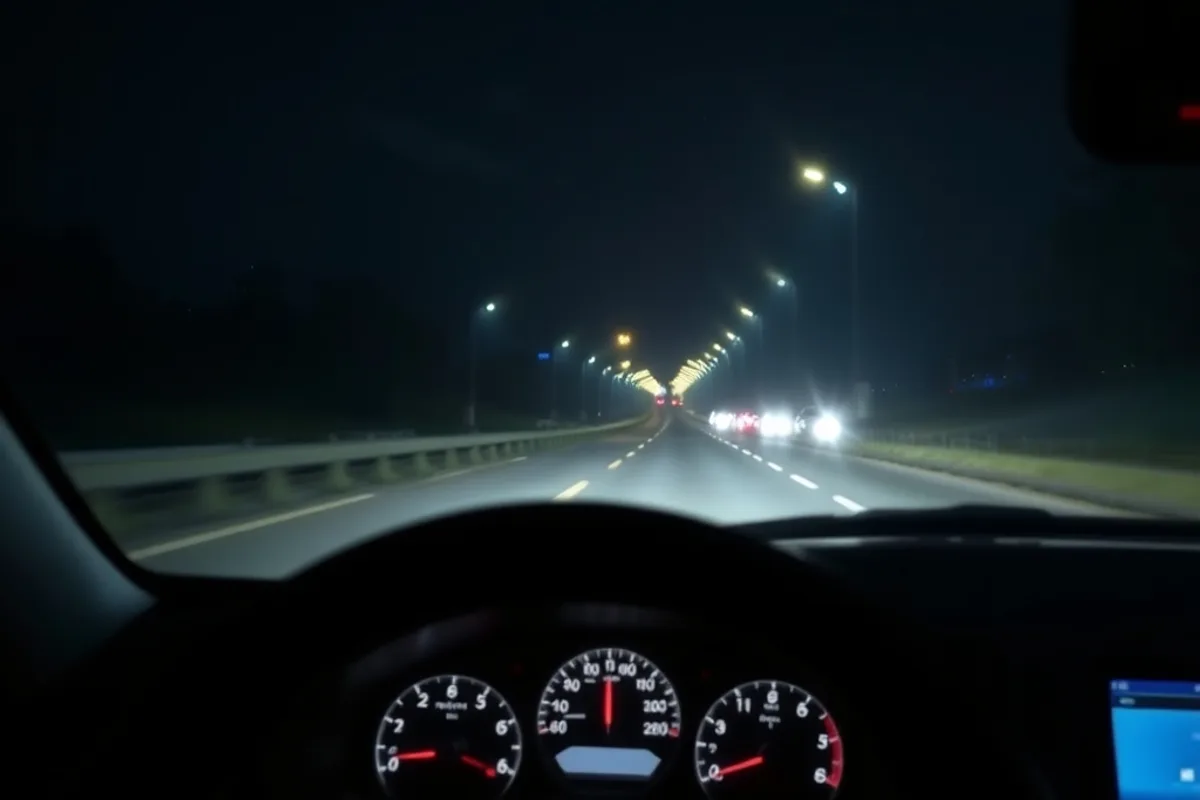
The Vigil D7 recorded the clearest night footage in this test. Plates at 20 metres were readable on our unlit street, and the camera adjusted quickly when we drove out of a dark underpass into daylight. Its 4K front sensor captured enough detail to identify a car model and a driver in a car park incident we staged.
The unit also proved dependable. Across six weeks it produced no corrupted files and did not overheat, even after two hours parked in direct sun. GPS logging was accurate to a few metres, and the polarising filter cut dashboard reflections. At $169 it costs more than most, but it is the one we would keep in our own cars.
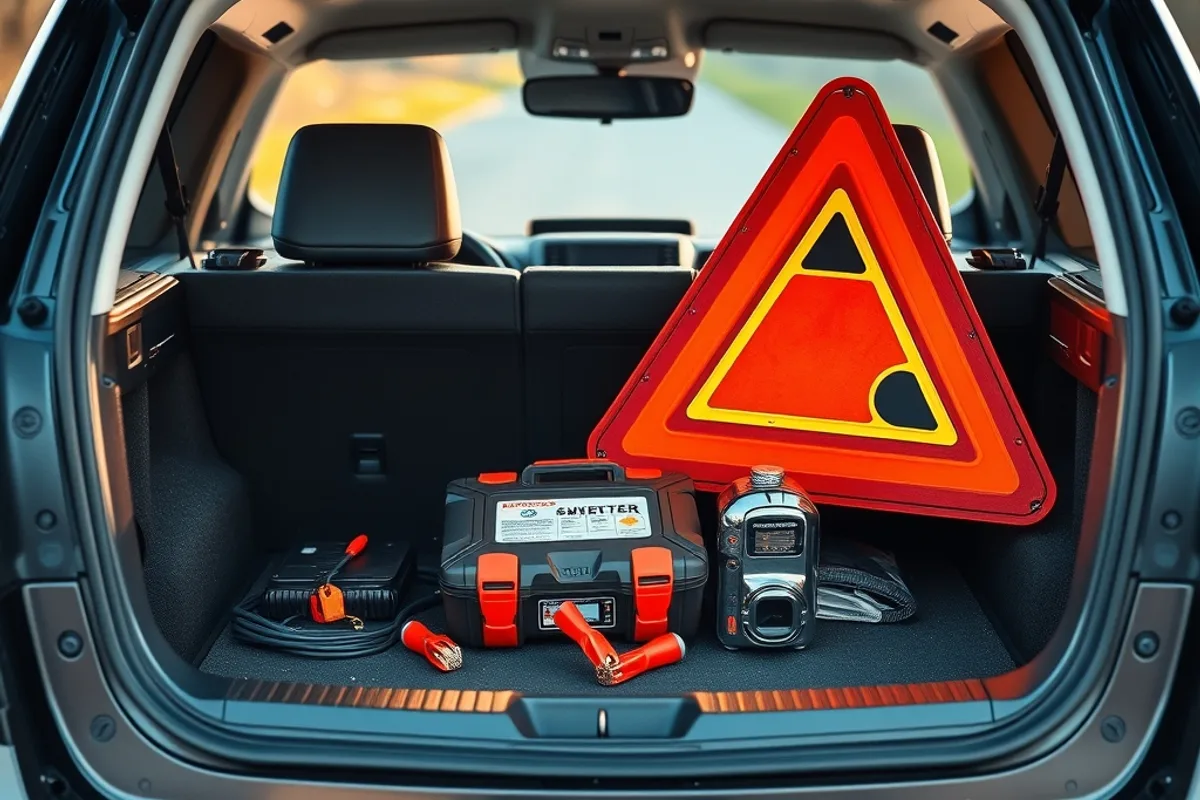
Related reading: roadside kits for the moments after a breakdown pairs well with Best Roadside Emergency Kits 2026.
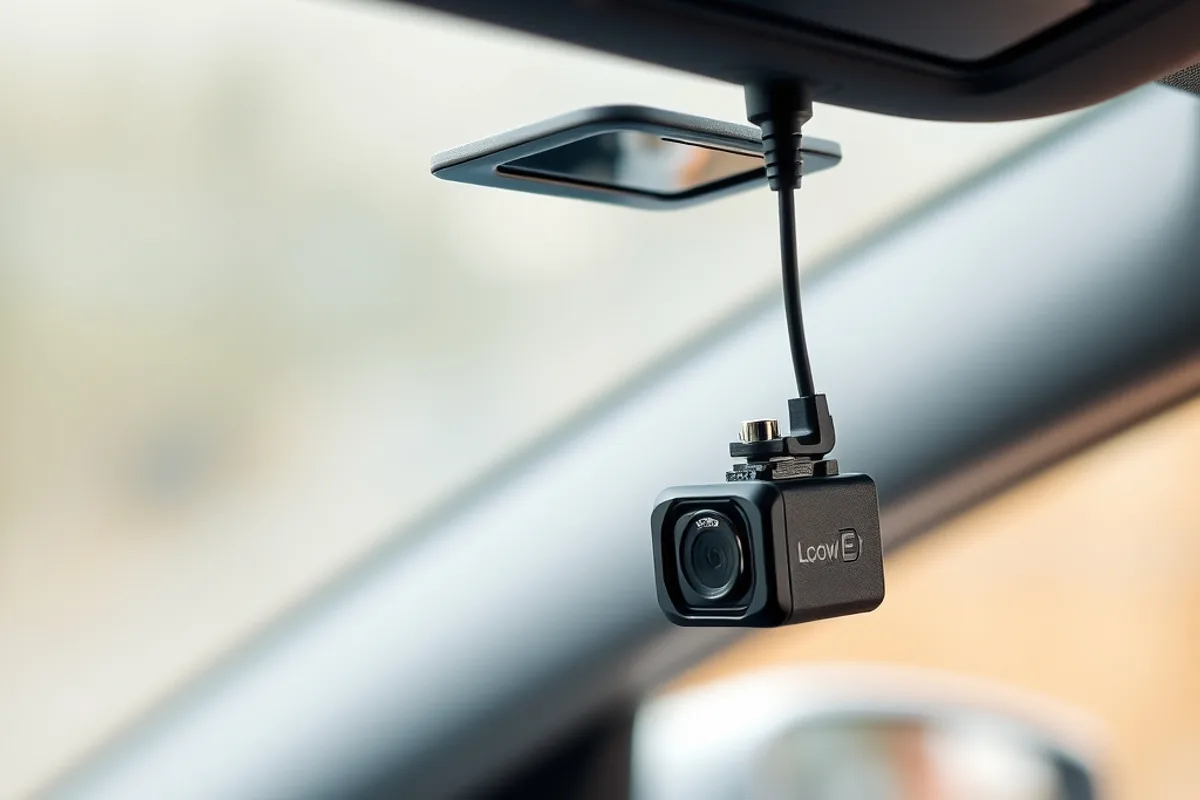
Best budget dash cam: Kite M2 at $79
At $79 the Kite M2 gets the basics right. Daytime footage was sharp enough to read plates at 15 metres, and the wide-angle lens captured both lanes at junctions. Setup took ten minutes, and the adhesive mount stayed put through a week of rough roads.
Night footage is where the price shows: plates were readable only at 10 metres, and headlights from oncoming traffic washed out the scene more than on the leaders. It also lacks GPS unless you buy an optional module. For a first camera or a second car, it is a fair buy, provided you accept the night limitation.
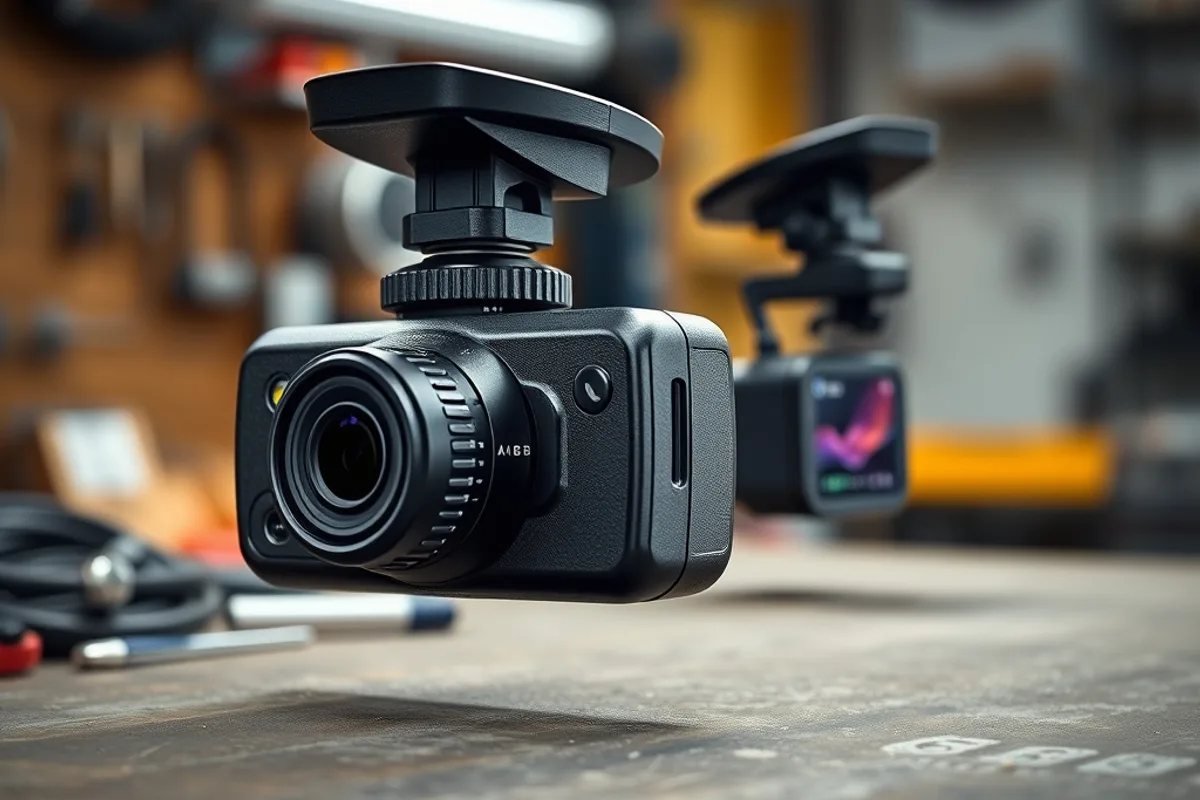
The moment we reviewed the Vigil D7 night clip, every other camera in the test looked like a compromise.
Best dual-channel dash cam: Aegis Duo X at $229
The Aegis Duo X includes a rear camera in the box, and the difference matters. In our staged rear-end test it clearly captured the other driver braking late, while the front camera alone showed only the impact. Rear footage was sharp in daylight and usable at night, and both channels synced correctly.
Installation is the catch. Routing the rear cable through the headliner took us 45 minutes, and the kit needs a microSD card rated for continuous writing, which adds about $20. The front unit occasionally took two seconds longer to boot than the Vigil. If you want complete coverage, the Duo X is worth the effort and the extra $60.
Also see our guide to plug-in hybrid SUVs for family duty for a deeper comparison.

Best for parking protection: Sentinel P4 at $189
The Sentinel P4 is built for parking mode. Its buffered recording captured the 20 seconds before a motion trigger, so our staged door ding included the culprit walking up to the car rather than only the impact. The low-power mode ran for 36 hours on the car battery without preventing a start.
Image quality is good rather than class-leading, with plates readable at 18 metres at night. The app is clunky and the optional hardwire kit costs $29. For anyone who parks on a street or in a shared garage, the buffered footage is a genuinely useful feature that most rivals here lack.
Background: how dash cams are used as evidence.
Best 4K detail: Lumen Drive 4K at $199
The Lumen Drive 4K produced the sharpest daylight footage in the test. We could read a plate at 30 metres on the motorway, and the wide 140-degree lens still kept distortion tolerable. Colour was natural and the bitrate held up in busy scenes with moving traffic.
Night performance was close to the Vigil but not quite as clean, and file sizes are large enough that a 64GB card fills in about four hours. It also ran warmer than the others in our sun-park test, though it never shut down. For daytime motorway driving, the extra detail is a real advantage.
What to look for before you buy a dash cam
Prioritise night performance over headline resolution. A well-tuned 1080p sensor can beat a cheap 4K unit after dark, and plate readability at 20 metres matters more than a sharp view of the sky. Check that the camera has a capacitor rather than a battery if your car gets hot, and confirm the mount is stable on your windscreen.
Budget for a high-endurance microSD card and, if you want parking mode, a hardwire kit with a voltage cutoff. Read the app reviews before buying, because a camera you cannot easily retrieve footage from is little use at the roadside. Prices here ran from $79 to $229, and the best choice depends on whether you need rear coverage or overnight protection.
- Winner Vigil D7: $169, readable plates at 20 m in the dark, zero lost clips.
- Kite M2: $79, best budget pick, plates readable at 10 m at night.
- Aegis Duo X: $229, front and rear coverage, 45-minute rear install.
- Sentinel P4: $189, 20-second buffered parking mode, 36-hour standby.
- Tested 8 cameras over 6 weeks of day, night and parking use in 2026.